Is Your AI Dash Cam Leading Your Fleet Off a Cliff?
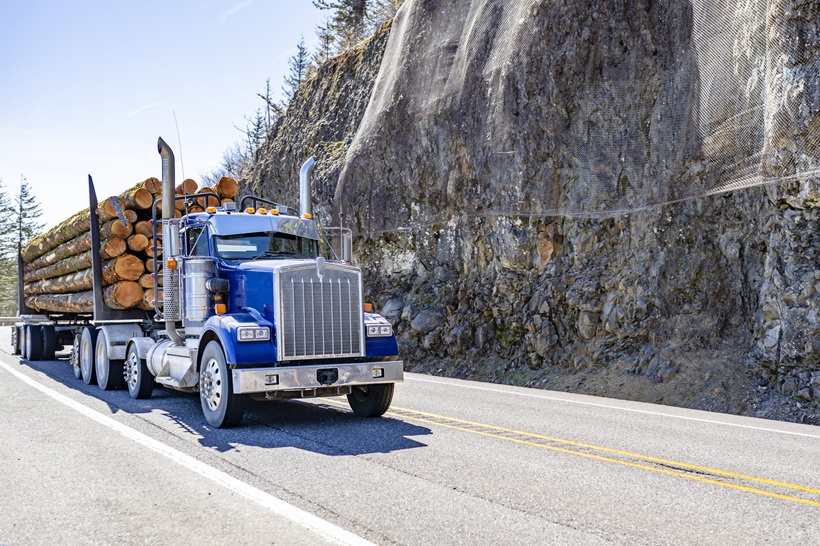
Ever remember hearing, “If all your friends jumped off a cliff, would you do it, too?”  It’s a drastic example, sure. But it was always about the same thing: avoiding the pitfalls of following the crowd when the consequences could be serious.  What does that phrase have to do with running a fleet?  More than you’d think. Popular AI dash cam and telematics

Common LTL Invoicing Challenges and How to Address Them

As 2026 gets underway, the less-than-truckload (LTL) sector is cautiously optimistic after a disappointing 2025. Industry leaders are pointing to signs of a potential rebound, including declining interest rates, improving consumer sentiment, and tightening truckload capacity that typically pushes smaller shipments back into LTL networks. However, the timing remains hazy.  The somewhat sunny sentiment is

What Can Fleets Do About Rising Operating Costs?

North America has felt the sting of inflation over the past few years. But for the trucking industry, it’s been a double whammy: an extended freight recession layered on top of rising costs across nearly every line item.  Numbers and research tell a story. According to ATRI’s 2025 Operational Costs of Trucking report, the average cost to operate a truck dipped slightly to $2.26 per mile last

How Did Our 2025 Trucking Predictions Hold Up?

A year ago, we made five predictions about where the trucking industry was headed in 2025. Now, with the benefit of hindsight, let’s see how they played out.  1. Market recovery without a boom. Verdict: ❌  As it turns out, even our tempered expectations were too optimistic. The anticipated rebound hasn’t materialized. Overcapacity remains stubbornly persistent, and freight volumes have stayed soft throughout the year.   The sector continues what analysts describe as

4 Topics That Could Shape 2026 in Trucking

Coming into 2025, there was widespread expectation that the freight market would finally turn a corner. Instead, uncertainty has reigned supreme. Would-be turnarounds in rates and volumes have been brief false starts, leaving the trucking industry to wonder whether we are approaching an uncomfortable new reality where stagnation becomes the default state.  As 2025 winds down, several prominent topics have grabbed attention, from regulatory crackdowns to long-awaited policy changes.

6 Steps of Cab to Cash: How Automation Transforms Carrier Operations 

Nearly a year ago, industry analysts declared the “Great Freight Recession” over. Tender rejections were climbing, spot rates showed signs of life, and capacity appeared to be tightening. The second Trump administration fueled optimism about pro-trucking policies from Washington.  2025 hasn’t delivered on that promise.  Back-and-forth tariff announcements and negotiations have created uncertainty across supply

Geotab GO Focus Plus: The Dash Cam That Transforms Fleet Safety

There was a time when dash cameras were optional for fleets. If operations were running safely, cameras weren’t absolutely necessary. Those days are over.  Dash cams and video telematics are now essential tools for modern fleets. They reduce risk, cut insurance costs, improve driver behavior, and protect carriers from costly litigation. The hardware and software

Rounding Up Recent FMCSA Regulatory Developments

After the presidential election last fall, trucking industry observers knew a significant deregulatory shift was coming to the Department of Transportation, and the Federal Motor Carrier Safety Administration (FMCSA) has delivered on those expectations as part of the department.  As anticipated, the second Trump administration announced a comprehensive regulatory freeze upon taking office in January.

How End-to-End Visibility Builds Trust in Freight Transactions

Traditional approaches to carrier-broker relationships, where information flows sporadically and transparency takes a backseat, are rapidly becoming competitive liabilities. Meanwhile, partnerships built on comprehensive visibility and real-time data sharing are emerging as clear winners for improving efficiency, mutual profitability, and sustainable growth.  The current market reality: Why visibility matters more than ever  The traditional model